
My Process
Creating music is a process. It’s about starting in idea, turning it into a track, and giving it polish. It’s about finding the balance between getting the music to sound as good as you can, but also not getting so hung up on perfection that you never release anything. Find your personal balance between artist and content creator. Once you have refined your idea and you’re ready to make it an ‘official’ release, be prepared to let it go into the wild. Let it exist in the form you have given it and don’t stress over whether it becomes popular or not. Let your music have flaws. Let it be a human expression. Every track does not need to be epic. Feel confident that you’ve made your best effort and be prepared to accept whatever feedback from the outside world you get.
I have also spent years improving my performances on all the instruments I play. I want to make my performances as good as possible and capture those sounds with the best quality possible. Good tools are not everything, but they contribute to those marginal improvements that make your sound stand out.
Instruments
Guitar
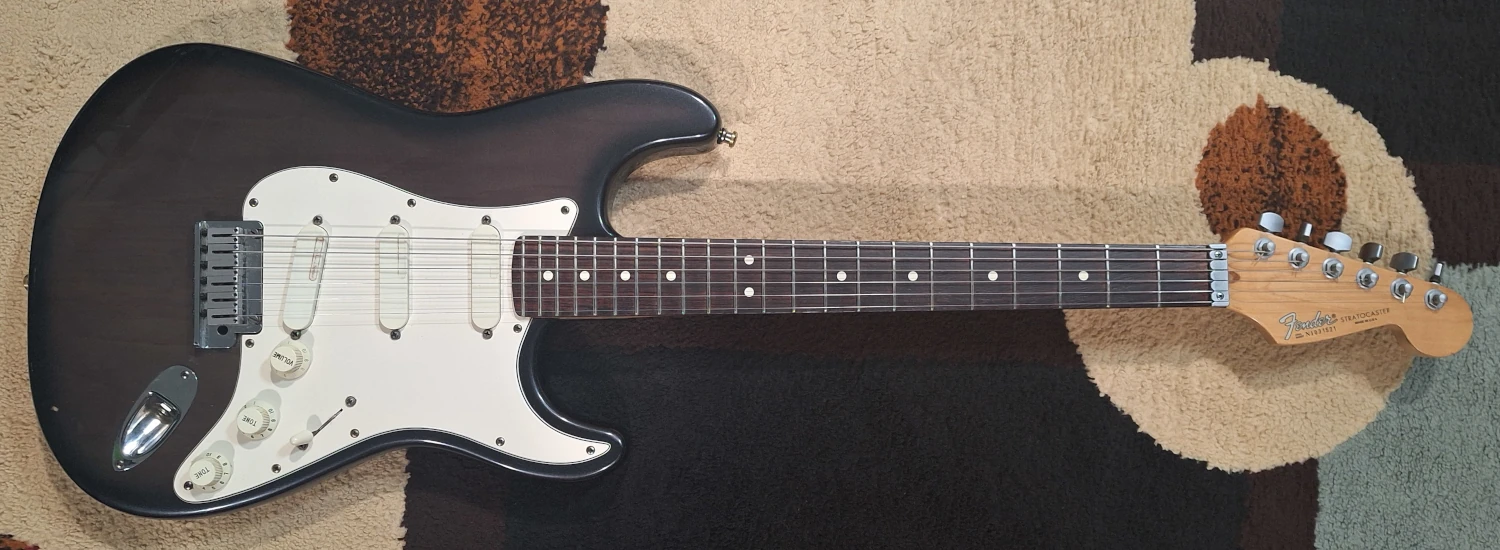
This is where it all started. I would say my Fender Stratocaster is my main instrument, but I have a Takamine steel string acoustic and a Gretsch electric as well.
Keys
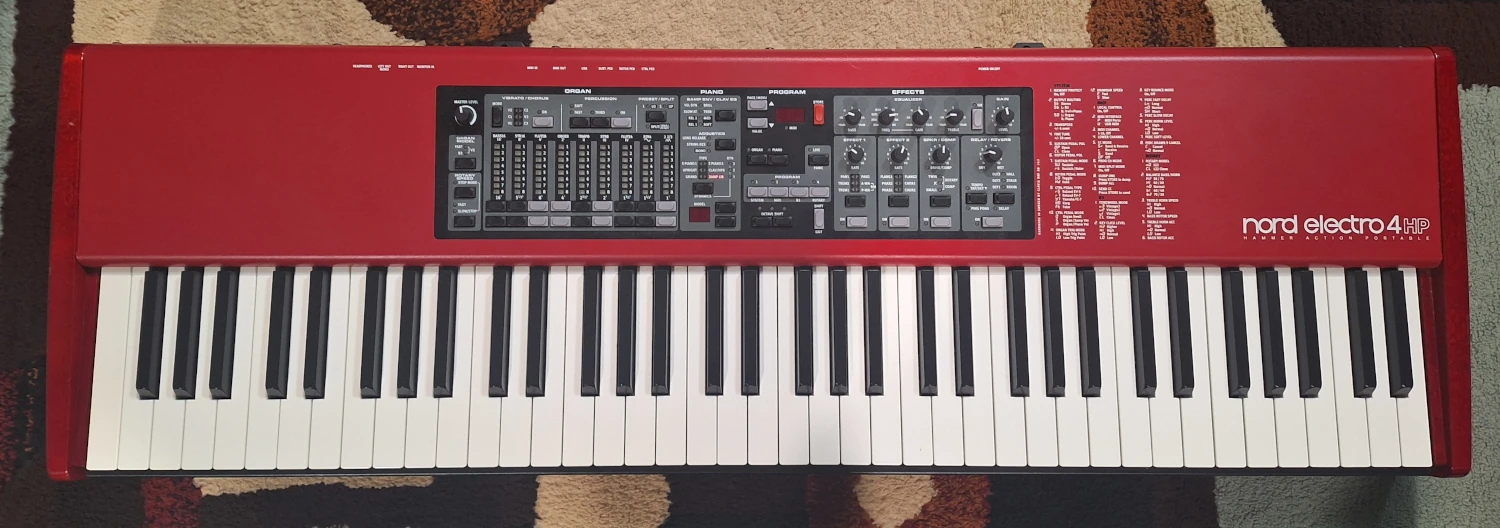
I have been playing keys almost as long as I’ve been playing guitar. I play a Nord Electro 4HP because it has an enormous high-quality sound library and great effects. I also play an Arturia Keylab 88.
Synth
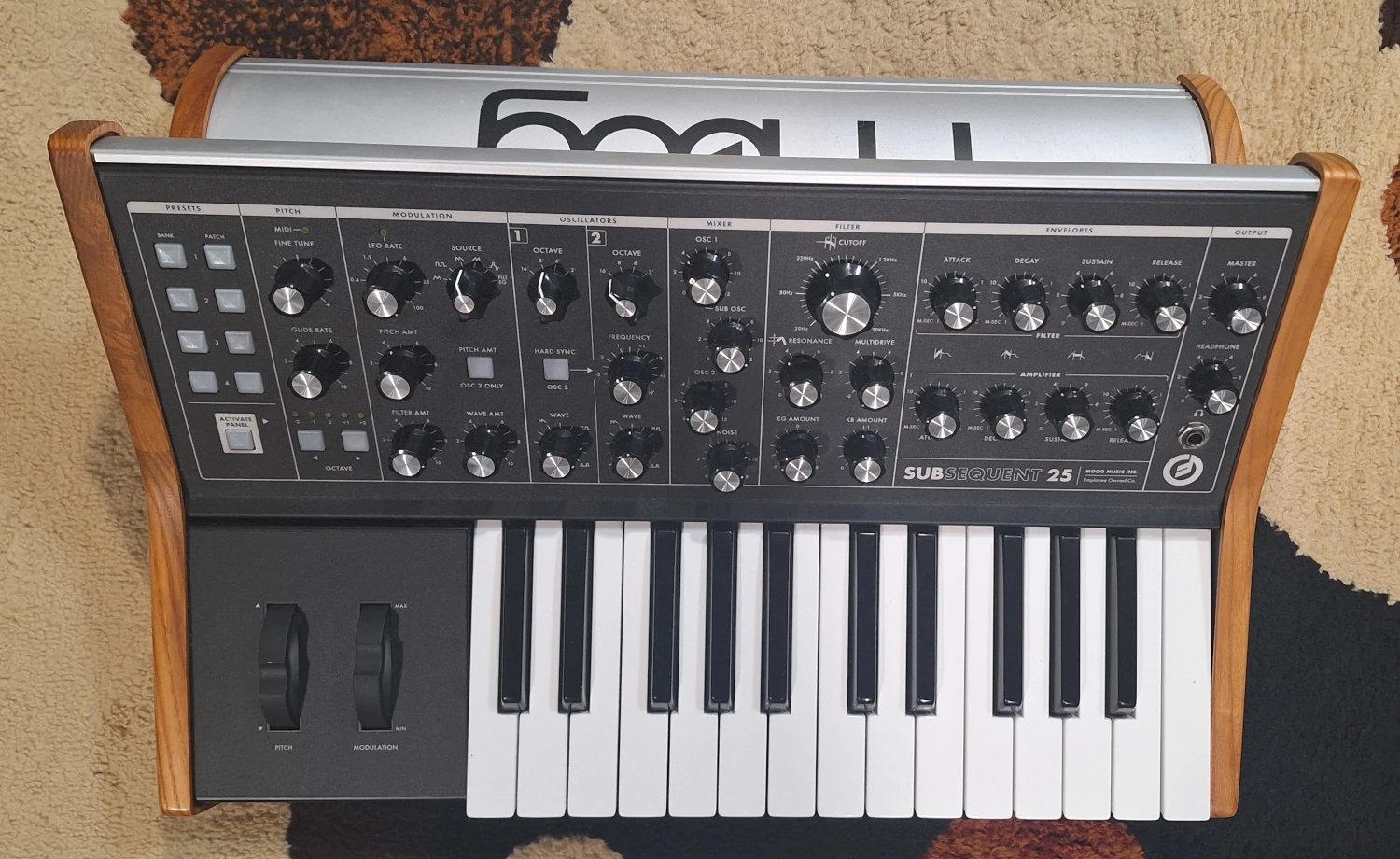
I usually play my Moog Subsequent 25 at my left side because it’s great bass lines. I love that it’s monophonic and it makes you play more precisely. It has an amazing thick sound and it’s a playground for hands-on sound design.
Bass
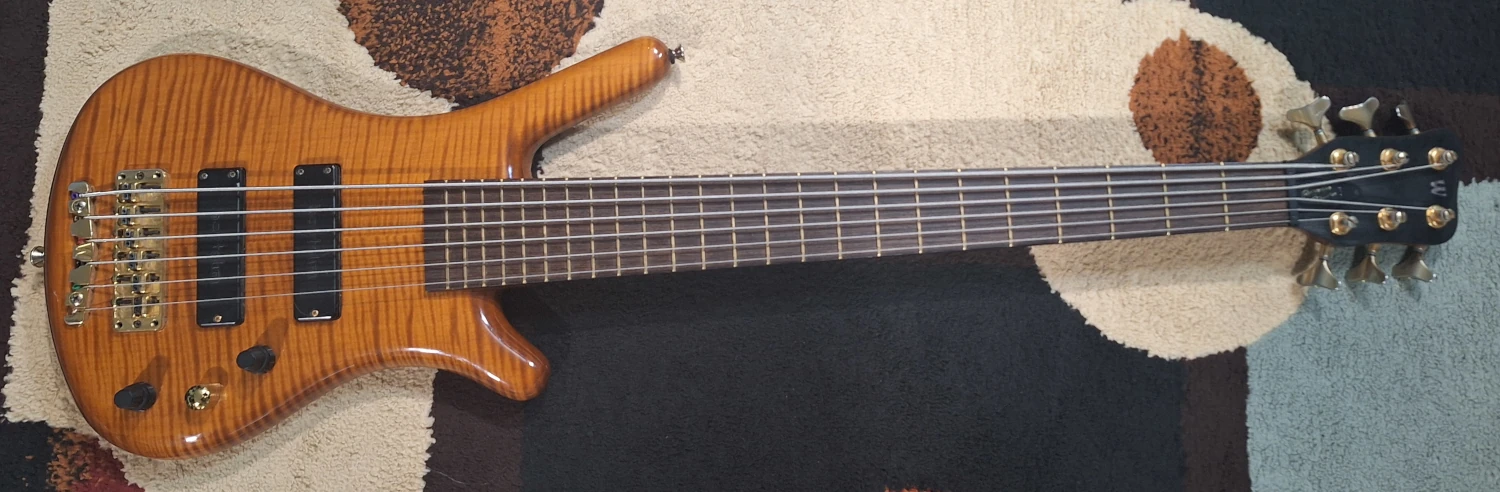
I play a Warwick 6-string bass and I have a Yamaha Silent Upright Bass that I play once in a while (I should play it more).
Drums
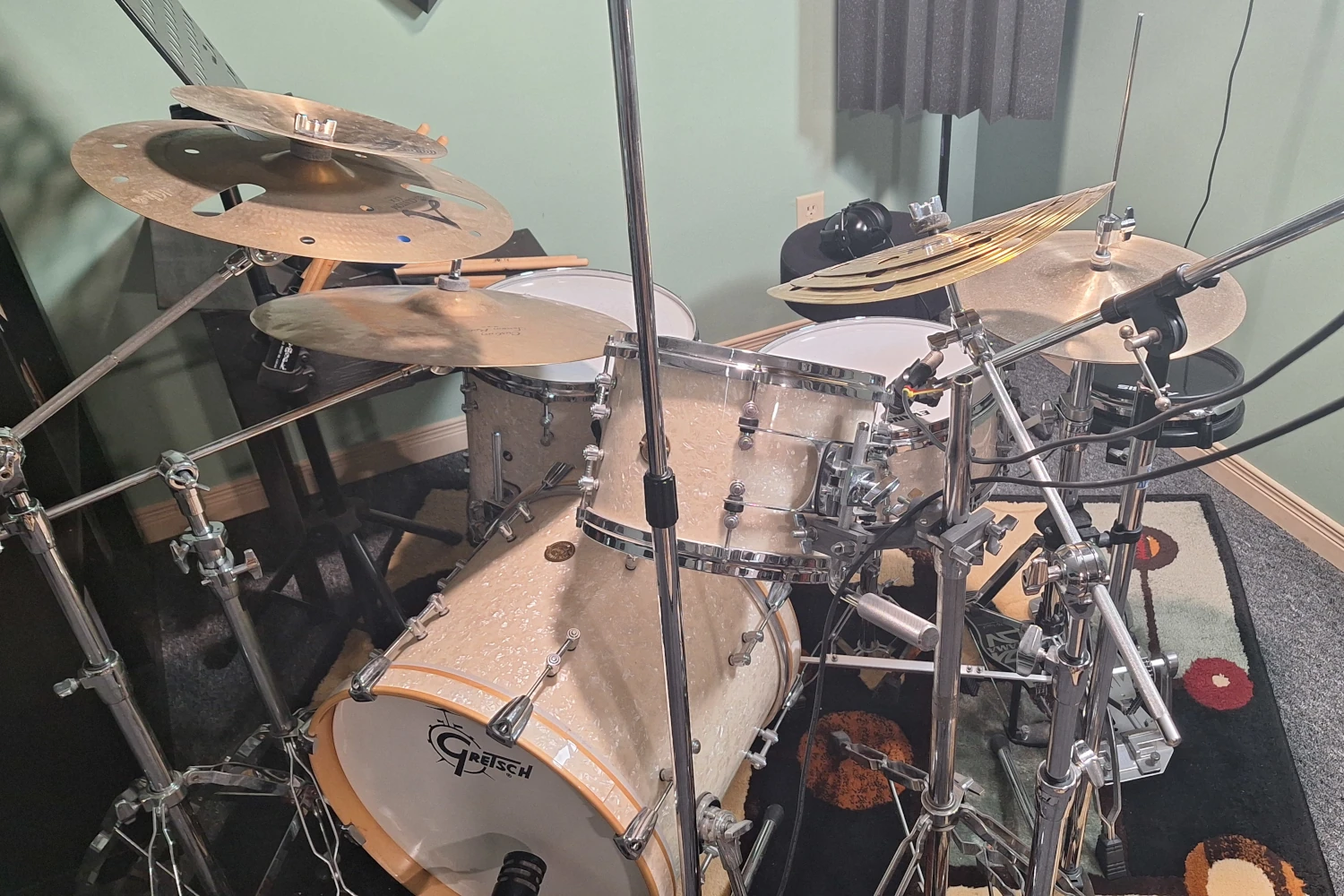
I play Gretsch drums with a few different cymbals I have curated over the years for a distinct sound.
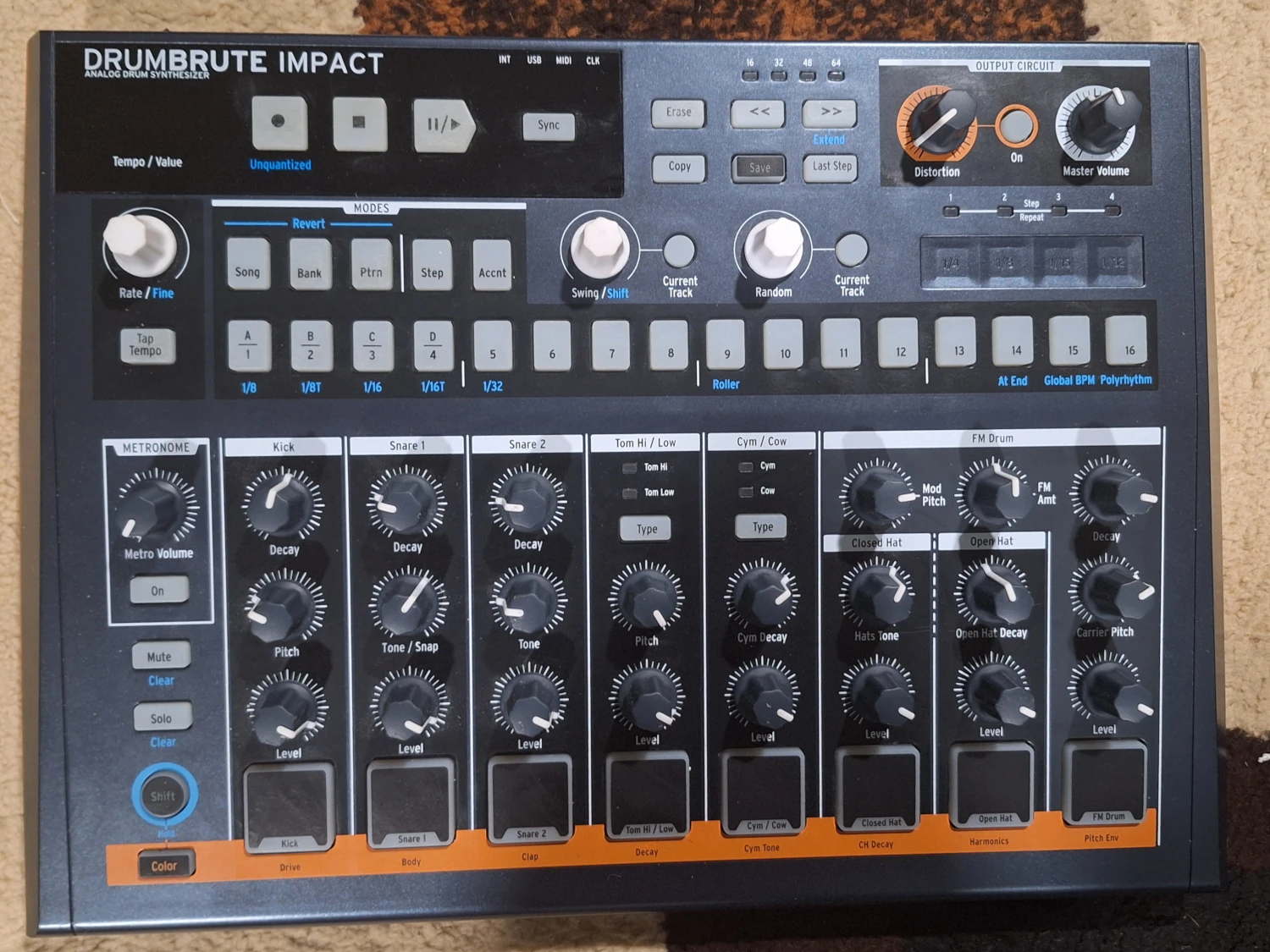
I also use an Arturia Drumbrute IMPACT for composing drum patterns, live looping, as an advanced metronome for practice, and to give me flexibility for sound design as a producer.
Recording
Preamps and Converters
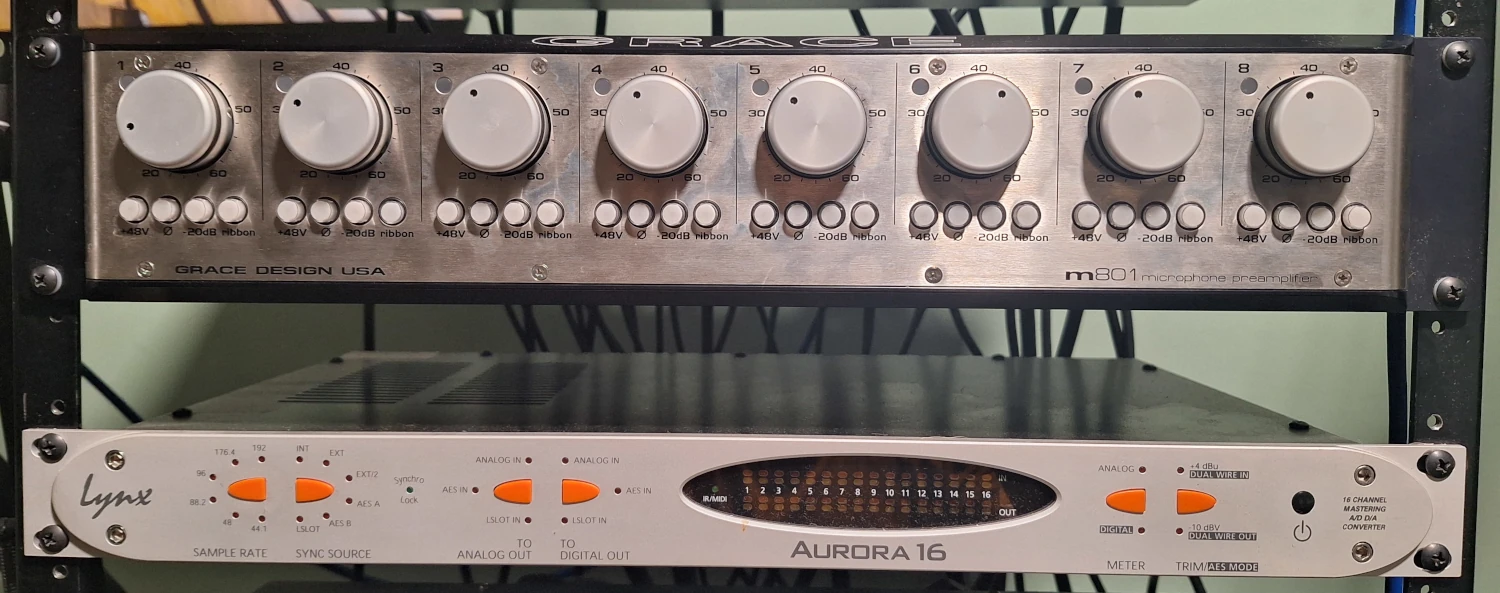
I like to get the clearest sound I can and I have been very happy with my Grace Design microphone preamps and my Lynx Studio converters. I don’t want to fix mistakes in post production. I would rather capture a good performance with a good mic in a clean signal chain and have less to do later.
Digital Audio Workstation
I use Ableton Live as my DAW because it has both Arrangement View and Session View. Arrangement view displays the multitrack recording on a linear timeline where each track is a row and the play head moves from left to right as you play or record audio. Session View also has multitrack recording, but it allows you to record audio or MIDI for specified number of bars in sync with the tempo of the song, and you can iterate through scenes as you progress from one loop to another. Session view is more suited to live looping performances, but it can also be useful for creating drafts of complete musical ideas because of the quick workflow.
